Reduce Your Electricity Bill With Smart Rooftop Solar
Install an on-grid solar system at your home and use clean solar energy directly from your rooftop. Save money, reduce grid dependency, and enjoy long-term power savings.
An on-grid solar system is connected with your local electricity grid. Your home uses solar power during the day, and extra generated power can be exported through net metering as per DISCOM rules.
Grid-Connected Solar System For Daily Home Power Use
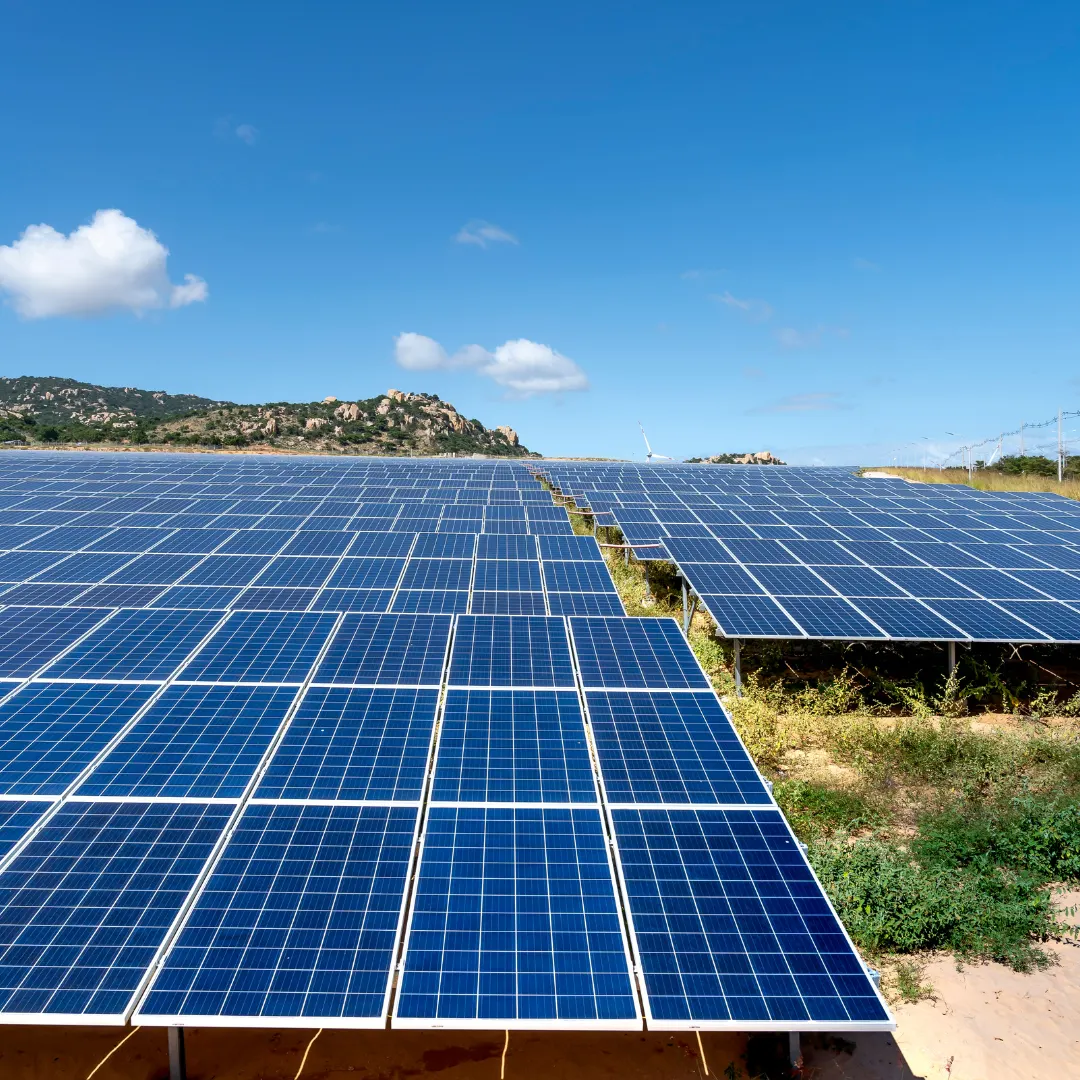
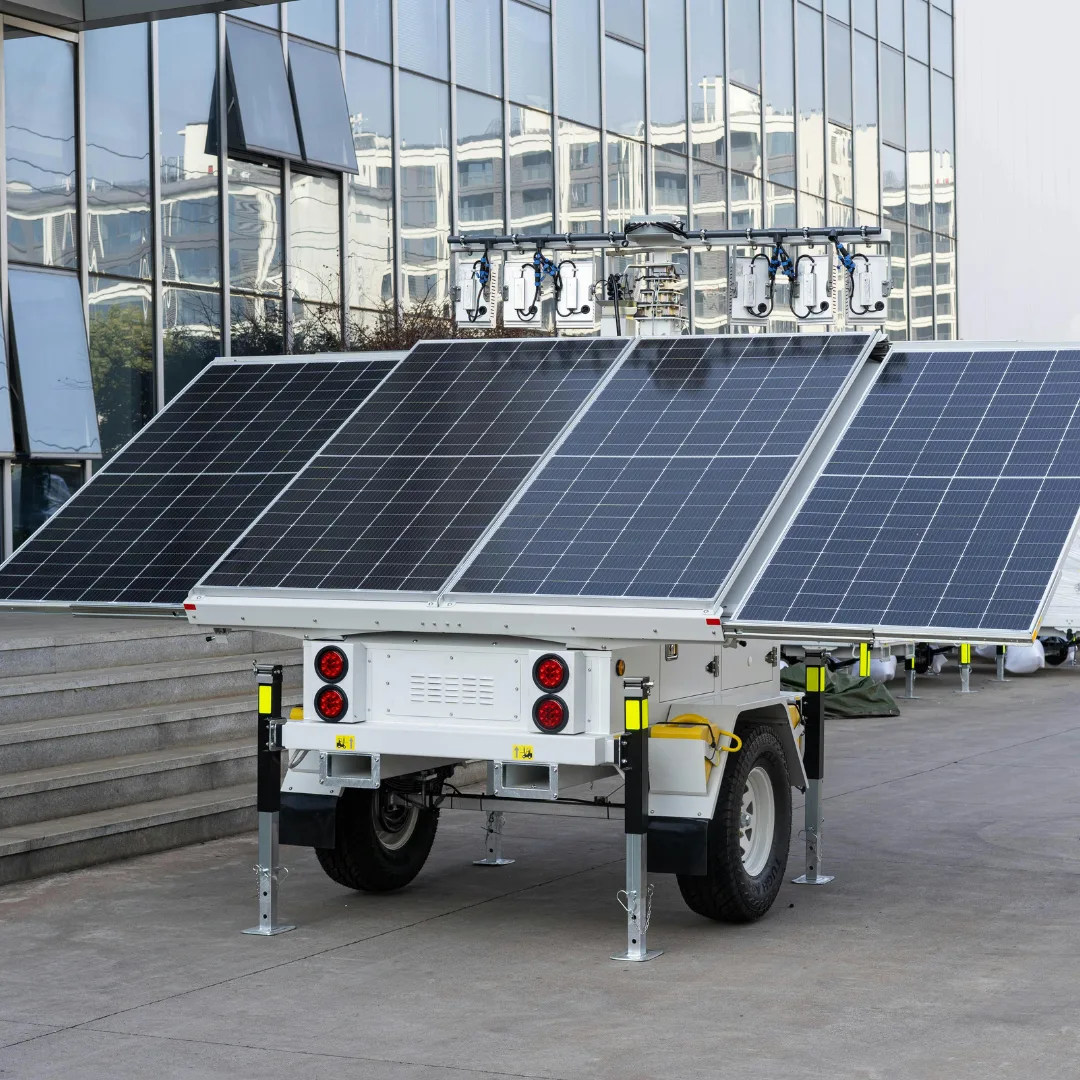
An on-grid solar system, also called a grid-tied solar system, is directly connected to the electricity grid. Solar panels generate DC electricity, and the solar inverter converts it into usable AC power for your home appliances.
When your solar production is higher than your home consumption, the surplus power can be sent back to the grid through net metering. This helps reduce your electricity bill.
- No battery required
- Lower installation cost compared to hybrid systems
- Best for homes with stable electricity supply
- Suitable for monthly bill reduction
Why Choose On-Grid Solar Systems For Home?
On-grid solar is one of the most practical choices for homeowners who want electricity savings without the extra cost and maintenance of batteries.
Lower Electricity Bills
Generate your own power during the day and reduce your monthly electricity expenses.
No Battery Cost
On-grid systems work without batteries, making them more affordable and easy to maintain.
Net Metering Support
Export extra solar power to the grid and get bill adjustment as per local rules.
Long-Term Savings
A good solar system can reduce electricity costs for years with basic maintenance.
Ideal For Rooftops
Perfect for homes with shadow-free rooftop space and regular power supply.
Clean Energy
Solar power helps reduce carbon emissions and supports a cleaner environment.
Simple Working Process Of On-Grid Solar
The system automatically manages solar power, home consumption, and grid support.
Solar Panels
Panels absorb sunlight and generate DC electricity on your rooftop.
Solar Inverter
Inverter converts DC power into AC power for home appliances.
Home Usage
Your home first uses electricity generated from solar panels.
Grid Export
Extra electricity is exported to the grid through net metering.
Which Solar System Size Is Right For Your Home?
The right capacity depends on your monthly electricity units, rooftop space, sanctioned load, sunlight exposure, and local net metering rules.
Do not randomly choose system size. Wrong capacity means either poor savings or unnecessary extra cost.
| Monthly Usage | Suggested Capacity |
|---|---|
| 0–150 Units | 1 kW – 2 kW |
| 150–300 Units | 2 kW – 3 kW |
| 300+ Units | 3 kW & Above |
Reliable Solar Installation For Homeowners
We help you choose the right solar capacity, complete site checking, installation, documentation, and net metering support.
- Customized solar design based on electricity bill
- Professional rooftop inspection and layout planning
- Quality solar panels, inverter, structure and wiring
- Support for net metering and documentation
- After-sales service and maintenance assistance
From Site Survey To Solar Activation
A proper process is important because poor installation can reduce performance and increase maintenance issues.
Consultation
We check your electricity bill, usage pattern, and solar requirement.
Site Survey
Roof space, shadow area, direction, structure and wiring feasibility are checked.
Proposal
You get a customized solar proposal with capacity, estimate and savings idea.
Documentation
Required documents are prepared for subsidy and net metering process.
Installation
Panels, inverter, structure, earthing and wiring are installed safely.
Testing
System performance is checked before final handover and activation.
On-Grid Solar vs Off-Grid Solar
| Feature | On-Grid Solar | Off-Grid Solar |
|---|---|---|
| Grid Connection | Connected to electricity grid | Works independently |
| Battery | Not required | Required |
| Cost | Lower | Higher |
| Best For | Homes with stable electricity supply | Areas with frequent power cuts/no grid |
| Maintenance | Lower | Higher due to batteries |
Frequently Asked Questions
What is an on-grid solar system?
An on-grid solar system is a rooftop solar system connected to the electricity grid. It generates solar power for home use and exports extra electricity to the grid through net metering where available.
Does an on-grid solar system need batteries?
No. Standard on-grid solar systems do not need batteries, which makes them more affordable compared to hybrid or off-grid systems.
Will it work during power cuts?
Most standard on-grid solar systems shut down during power cuts for safety. If you need backup during power cuts, you should consider a hybrid solar system.
How much rooftop space is needed?
Usually, 1 kW solar system needs around 80–100 sq. ft. shadow-free rooftop area, depending on panel size and layout.
Is subsidy available for home solar?
Residential rooftop solar subsidy depends on government scheme rules, DISCOM approval, vendor eligibility, and documents. Final eligibility should be checked before installation.
Start Saving With Home Solar Today
Get the right on-grid solar system for your home with expert consultation, site survey, installation support, and net metering guidance.
Book Free Solar Consultation